
























Oct 14, 2026
Better Together: The Best FREESKY E-Bikes for Couples
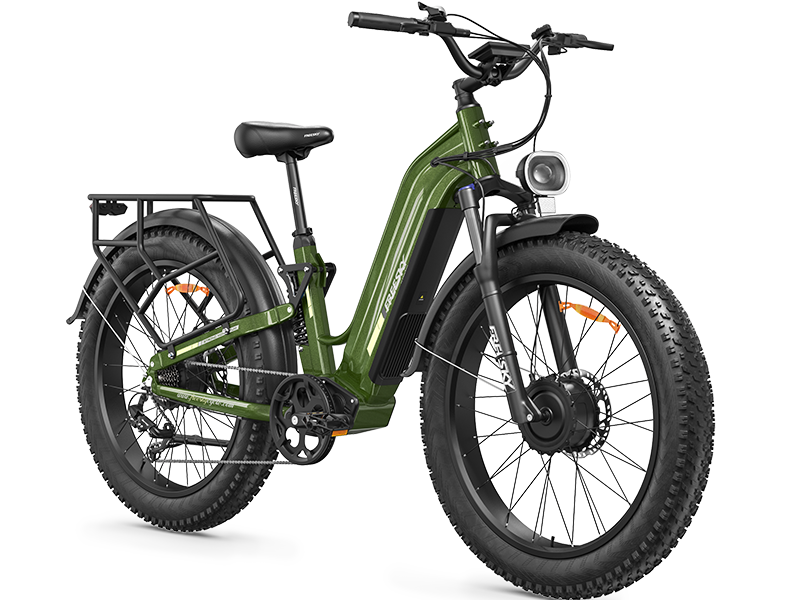
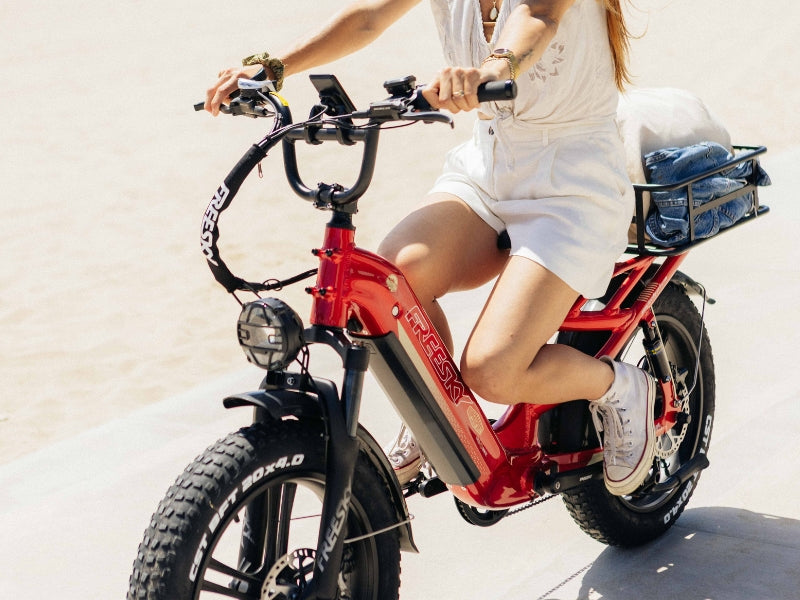
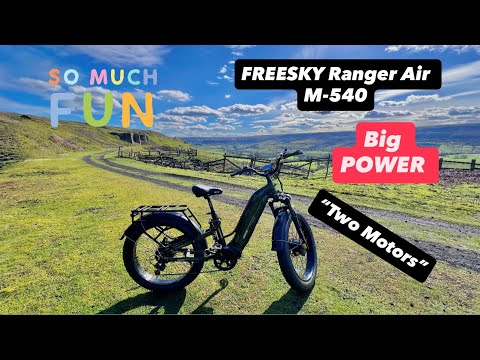
Some of the best rides are the ones you take together. There is no need to rush, compete for pace, or worry about who will fall behind. With the right electric bikes, couples can explore local roads, climb hills, ride trails, and take longer weekend adventures while keeping the journey shared. FREESKY e-bikes make it easier for two riders with different riding styles, fitness levels, or experience to enjoy the same route. Pedal assist, multiple riding modes, powerful motors, and long-range batteries give each rider more control over how much effort they want to put in. Choosing two FREESKY e-bikes also makes it easier to plan rides around the way you actually spend time together. Whether you are commuting around town, exploring gravel roads, heading into the mountains, or planning a weekend adventure, the right pair can help you stay together from the first mile to the last. Why E-Bikes Work Well for Couples Two riders rarely have exactly the same pace. One person may be more comfortable climbing hills, while the other may prefer a slower and more relaxed ride. One rider may want to explore rough trails, while the other is more interested in a mix of pavement and gravel. An e-bike gives each rider more control over that difference. Pedal assist can help reduce the effort required on hills and longer rides, while different riding modes let each person adjust the bike to match the terrain and their own riding style. Instead of one rider constantly waiting for the other, couples can spend more time riding side by side. For couples who want to go farther than a traditional bicycle allows, features such as larger batteries, fat tires, suspension, and higher-capacity frames can also open up more places to ride. Why Choose Two of the Same E-Bike? Couples do not have to ride identical bikes. In fact, choosing different models can make sense when each rider has very different priorities. But two of the same model can make shared riding simpler. 1. A More Consistent Riding Experience When both bikes use the same motor system, battery capacity, riding modes, and controls, both riders know what to expect. Acceleration, climbing assistance, battery management, and handling are easier to understand when the bikes are configured the same way. 2. An Easier Learning Curve If one person learns the display, riding modes, pedal assist, or other controls, they can easily help the other rider. There is no need to remember two completely different systems before heading out together. 3. Easier Charging and Maintenance Two matching e-bikes can also make charging and routine maintenance easier to organize. Both riders can check battery levels, charge their bikes before a longer trip, and follow the same basic maintenance routine. 4. A Better Setup for Shared Adventures When both riders have similar range and performance capabilities, route planning becomes simpler. There is less need to choose a route based on the limitations of one bike, giving couples more freedom to decide where they actually want to go. Ranger: For Comfortable Everyday Riding and Mixed Terrain The FREESKY Ranger is designed for couples who want an e-bike that can handle more than one type of ride. Its step-thru frame makes mounting and dismounting easier, while full suspension and 26" fat tires provide a more comfortable setup for pavement, gravel, dirt, and other mixed surfaces. For couples with different fitness levels, the Ranger's AI dual-motor system provides another advantage. Its 4000W peak dual-motor setup delivers up to 210N·m of combined torque and can intelligently distribute power between the front and rear motors. Riders can also switch between single- and dual-motor operation depending on the terrain and how much power they need. - The Ranger is especially suitable when: - Both riders want a comfortable step-thru e-bike. - Rides include both pavement and light off-road terrain. - One or both riders want additional assistance on hills. - Couples want one bike that works for commuting, camping, and outdoor riding. - Carrying extra gear is important, with up to a 400 lb payload capacity. Its 48V 25Ah removable battery provides up to 105 miles of claimed range, giving couples more flexibility for longer rides without making every outing a battery-planning exercise. For couples looking for a versatile everyday e-bike that can also head off the pavement, two Rangers create a practical shared setup. Eurostar: For Couples Who Want to Explore Further Some couples are less interested in simply riding around town. They want to find the road that turns into gravel, follow a mountain trail, or explore terrain that a standard commuter bike may not be designed for. That is where the FREESKY Eurostar fits. Its 4000W peak dual-motor system delivers up to 210N·m of torque, with the ability to tackle steep terrain and challenging surfaces. With 26" × 4.0" fat tires, full suspension, and dual 4-piston hydraulic disc brakes, it is built around all-terrain riding. The 48V 25Ah battery provides a claimed 60–105 miles of range, while the removable design makes charging more convenient between rides. Eurostar is especially suitable when: - Both riders enjoy mountain or trail riding. - Routes include gravel, sand, mud, or uneven terrain. - Couples want more traction and suspension for rough surfaces. - Weekend rides are more important than simple commuting. - Both riders want a powerful all-terrain setup. The Eurostar also includes five riding modes, a 7-speed Shimano drivetrain, NFC keyless start, an 800-lumen headlight, turn signals, and a brake light, giving couples a practical setup for longer outdoor adventures. Swift Horse Ultra: For Couples Who Ride Farther For couples who like long-distance rides, range can matter just as much as motor performance. The FREESKY Swift Horse Ultra combines a 4000W BAFANG motor with a removable 48V 35Ah LG battery. It offers up to 140 miles of claimed pedal-assist range and speeds up to 38+ MPH. That larger battery capacity makes the Swift Horse Ultra particularly suited to riders who do not want every long ride to revolve around finding the next charging opportunity. Its full-suspension system and 26" × 4" fat tires also help absorb impacts across pavement, gravel, dirt trails, and rougher terrain. Swift Horse Ultra is especially suitable when: Both riders enjoy longer-distance rides. Range is a major priority. Couples want powerful single-motor performance. Rides combine commuting, touring, and off-road exploration. Extra cargo capacity is useful for longer adventures. With a 400 lb payload capacity and compatibility with optional accessories, the Swift Horse Ultra can also carry camping supplies, outdoor gear, hunting equipment, or everyday essentials. For couples who want to turn a weekend ride into an all-day adventure, two Swift Horse Ultras provide a consistent long-range setup. Ranger vs. Eurostar vs. Swift Horse Ultra: Which Pair Fits You? Consideration Ranger Eurostar Swift Horse Ultra Best For Everyday riding and mixed terrain All-terrain adventures Long-distance riding Motor Setup AI dual motor Dual motor BAFANG motor Battery 48V 25Ah 48V 25Ah 48V 35Ah LG Claimed Range Up to 105 miles 60–105 miles Up to 140 miles Tires 26" fat tires 26" × 4.0" fat tires 26" × 4" fat tires Suspension Full suspension Full suspension Full suspension Frame Style Step-thru Full-size Full-size Payload Up to 400 lbs Up to 400 lbs Up to 400 lbs Ideal Couple Use Commuting, camping, mixed terrain Trails, mountains, outdoor adventures Long rides, touring, mixed terrain Choose Ranger if comfort, easy mounting, and versatility are the priorities. Choose Eurostar if both riders want to spend more time on trails, gravel, mountains, and challenging terrain. Choose Swift Horse Ultra if longer range and extended rides are at the top of the list. Tips for Choosing Two E-Bikes as a Couple Make Sure Both Bikes Fit the Riders Even when buying the same model, each rider should adjust the seat height, riding position, and controls individually. A matching pair does not mean both bikes need to be adjusted exactly the same way. Think About How You Actually Ride Together Before choosing a model, consider where most of your rides will happen. If you mainly ride around town, comfort and easy handling may matter more. If you regularly explore trails, suspension, fat tires, and motor performance become more important. For long-distance adventures, battery capacity and range deserve more attention. Compare Battery Levels During Longer Rides Even two identical e-bikes may use battery power at different rates. Rider weight, terrain, wind, assistance level, tire pressure, and riding style can all affect range. Check both battery levels during longer breaks rather than assuming they will drain at exactly the same rate. Match the Pace to the Ride, Not the Stronger Rider The goal of a couple's ride is not to see who can go farther or climb faster. Choose a comfortable pace and use pedal assist to manage differences in effort. That way, both riders can enjoy the route instead of one person constantly trying to catch up. Plan Accessories Around Your Shared Activities Couples do not necessarily need two identical accessory setups. If you regularly go camping, one bike may carry additional cargo. If you commute together, both bikes may need locks or daily-use accessories. For longer outdoor trips, shared gear can also be distributed between the two bikes. Think about the trip first, then build the bikes around it. Make Your Next Ride a Shared One The best e-bike for couples is not simply the one with the highest power or longest range. It is the one that matches how both riders actually want to spend their time together. For everyday riding and mixed terrain, the Ranger offers a comfortable step-thru design, full suspension, fat tires, and flexible dual-motor performance. For couples who want to explore more challenging terrain, the Eurostar combines dual-motor power, full suspension, fat tires, and all-terrain capability. And for riders who want to go farther between charges, the Swift Horse Ultra combines a high-capacity 48V 35Ah LG battery, 4000W BAFANG motor, and up to 140 miles of claimed pedal-assist range. Whatever your riding style, the idea is simple: choose bikes that let both of you enjoy the same journey, at a pace that works for both riders. Because the best rides are often the ones you don't have to take alone.
Read more


